 admin
Learning how to exfoliate your skin the gentle way can help your skin look smoother, fresher, and brighter. Exfoliation helps remove dull, dry surface cells that can build up over time and leave skin looking tired or uneven. Done carefully, with the right product and the right frequency for your skin, it can support a healthy-looking glow — without harsh scrubbing or irritation.
In this guide, we explain what exfoliation does, the difference between chemical and physical exfoliants, and a simple routine you can follow at home. You will also find tips on how often to exfoliate, signs you may be overdoing it, and common mistakes to avoid.
What Exfoliation Does for Your Skin
Your skin naturally sheds surface cells, but that process can slow down with age, dry weather, and sun exposure. A gentle exfoliant helps support that natural renewal by loosening the top layer of dull cells. The result is often skin that looks more even in tone and feels softer to the touch.
Exfoliation can also help the rest of your routine work better. When the surface is smoother, moisturizer can spread more evenly and absorb more easily, instead of sitting on dry, flaky patches. Many people also find that makeup applies more smoothly after gentle exfoliation. You do not need to scrub hard or use a strong product every day to see a difference. Find more simple guides in our Skincare Basics category.
- Removes dull surface cells for a fresher, brighter look.
- Helps moisturizer absorb and spread more evenly.
- Creates a smoother base for makeup application.
Chemical vs Physical Exfoliants
There are two main types of exfoliants. Choosing the right one depends on your skin type and how your skin reacts. Neither type suits everyone, so start gentle and notice how your skin feels in the days after you use it.
Chemical exfoliants
Chemical exfoliants use ingredients such as alpha hydroxy acids (AHAs), including glycolic acid and lactic acid, and beta hydroxy acids (BHAs), such as salicylic acid. Instead of scrubbing, they help loosen the bonds between surface cells so they can shed more easily. AHAs are often used for dullness and uneven texture, while BHAs are often chosen for oily or blemish-prone skin. They usually come as toners, serums, or leave-on treatments, and they suit people who prefer a no-scrub option.
Physical exfoliants
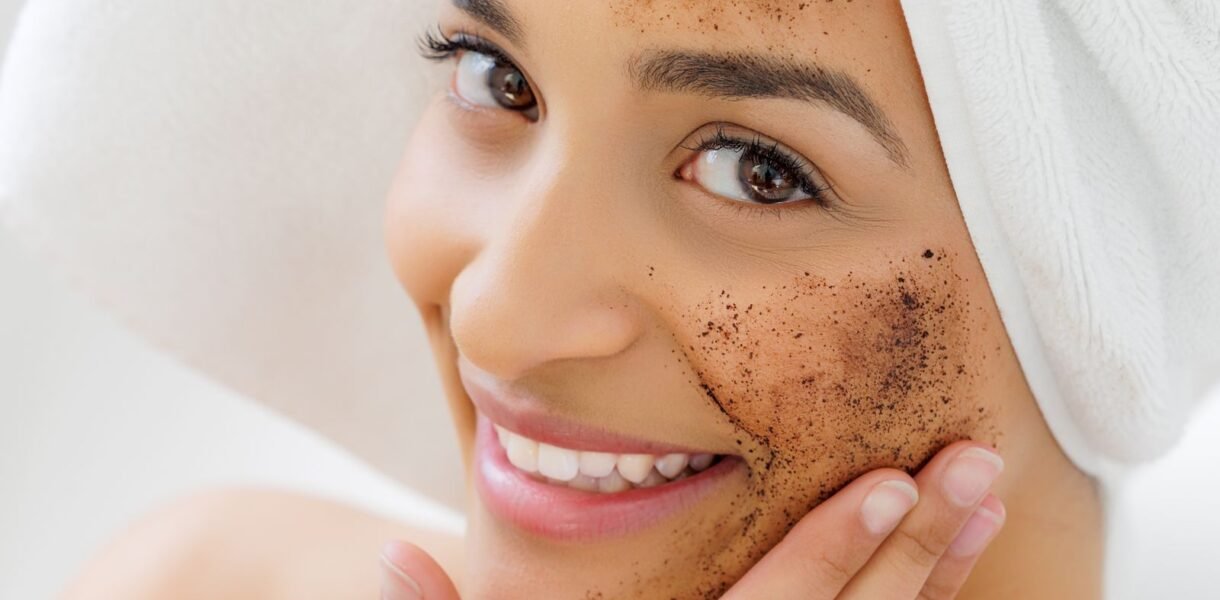
Physical exfoliants work through light friction. They include scrubs with fine particles, cleansing brushes, and soft cloths. They can give an instant smoothing feeling, and some people enjoy the hands-on ritual. They suit many skin types when the particles are fine, the pressure is light, and the product is used only once or twice a week. Avoid coarse, gritty scrubs, especially if your skin is dry, sensitive, or easily irritated.
If you are unsure where to start, choose one gentle product, use it less often than you think you need to, and watch how your skin responds. Learn more about keeping skin comfortable in our guide to skin barrier care.
How to Exfoliate Your Skin Step by Step
Follow these steps for a calm, simple routine. The goal is clean, comfortable skin — not redness or tightness.
- Cleanse first. Wash your face with a gentle cleanser and lukewarm water to remove makeup, sunscreen, and surface dirt.
- Apply on damp skin. For a scrub, smooth a small amount over damp skin. For a chemical exfoliant, apply a thin, even layer with clean fingertips or a cotton pad, following the label directions.
- Be gentle. If you are using a scrub, use light, circular motions and let the product do the work. Do not press hard, and avoid the delicate skin around your eyes.
- Rinse well. Rinse a wash-off scrub with lukewarm water until no residue remains. Leave-on products do not need rinsing unless the label says so.
- Moisturize. While your skin is still slightly damp, apply a gentle moisturizer to help keep skin feeling soft and comfortable.
- Use sunscreen the next morning. Freshly exfoliated skin can be more sensitive to the sun, so apply a broad-spectrum sunscreen in the morning and reapply as directed outdoors.
Try to exfoliate in the evening if you can. That gives your skin time to settle overnight, and it fits neatly into a daily skincare routine built around cleansing, moisturizing, and sun protection.
How Often Should You Exfoliate?
For most skin types, one to two times a week is a good starting point. Oily skin may tolerate two times a week, while dry or sensitive skin may do better with once a week, or even less often. Follow the product instructions and do not layer several exfoliating products on the same day.
Watch for signs of over-exfoliation, including redness that lasts, stinging when you apply your usual products, tightness, dryness, or flaking. If you notice any of these, pause exfoliation for a week or two and focus on gentle cleansing and moisturizing. When your skin feels calm again, restart with a gentler product, less often, and a smaller amount.

Common Exfoliation Mistakes to Avoid
A few simple habits can help you avoid most exfoliation problems. Keep your routine simple, introduce only one new product at a time, and give your skin time to adjust.
- Scrubbing too hard. Firm pressure does not make exfoliation work better. It can leave skin red, sore, and irritated. Use a light touch and stop if your skin feels uncomfortable.
- Mixing strong actives. Do not combine several strong exfoliants, retinoids, or other active products on the same day unless a product label or a skincare professional suggests it.
- Exfoliating sunburned or irritated skin. Skip exfoliation if your skin is sunburned, broken, very dry, or already irritated. Wait until it feels calm again.
- Skipping moisturizer and SPF. Moisturizer helps support your skin after exfoliation, and sunscreen helps protect it the next day. Both are part of a safe routine, not optional extras.
Your skin can also change with the seasons, so adjust how often you exfoliate rather than pushing through discomfort. Read more about RoseLuxe on our About Us page.
Conclusion
Gentle exfoliation is a simple way to help your skin look smoother and brighter. Choose one mild product, use it once or twice a week, apply it with a light touch, and follow with moisturizer and sunscreen. Listen to your skin and keep the rest of your routine simple.
This article shares general beauty information only and is not medical advice. If you have a persistent skin problem, see a dermatologist.