
 admin
Learning how to apply face serum the right way can make a real difference to how your skin looks and feels. A serum is a light, concentrated step in a skincare routine, and it works best when it is used in the right order, in the right amount, and with a gentle technique.
Many people buy a good serum and then wonder why it does not seem to do much. Often the product is fine, but the method needs a small change. Applying serum to dry skin, rubbing it in too hard, or using too much can all get in the way. This guide explains what a serum is, where it fits, and the simple press-and-seal method to use morning and night.
What Is a Face Serum?
A face serum is a lightweight product made to deliver a concentrated amount of active ingredients to the skin. It is usually thinner than a cream, so it spreads easily and absorbs quickly. Because it is light, it is not meant to replace moisturizer. Instead, it adds a focused step that works under your moisturizer.
There are several common types. Hydrating serums often contain hyaluronic acid and glycerin, which help skin feel soft and look plump. Vitamin C serums are popular in the morning because they can help skin look brighter and more even over time. Niacinamide serums are often chosen for skin that looks uneven or feels oily, and they can help skin look calmer and more balanced.
The main difference between a serum and a moisturizer is their job. A serum is thin and targeted, while a moisturizer is richer and helps to lock in moisture and protect the skin surface. Think of a serum as the treatment step and moisturizer as the seal. For more ideas, see our Face Care guides on RoseLuxe.
When to Apply Face Serum in Your Routine
Apply serum after cleansing and toning, and before moisturizer. Cleanser removes dirt, oil, and makeup, leaving a clean surface. Toner, if you use one, can add a little moisture and prepare the skin. Serum then goes on next, while the skin is still slightly damp, so it can spread well. Moisturizer comes last to help seal everything in.
In the morning, choose a serum that suits the day ahead. A hydrating serum or a vitamin C serum is a common choice, followed by moisturizer and sunscreen. At night, you can use a hydrating serum or a gentle serum that suits your skin, followed by moisturizer.
If you are new to serums, start with one serum at a time. Use it once a day for a week or two and see how your skin feels. Keep your routine simple at first, and add new products slowly. You can read more about the first step in our guide on how to cleanse your face.
How to Apply Face Serum Step by Step
Follow these steps for a smooth, even application. The whole process takes only a minute or two.
- Start with clean, damp skin. Wash your face with a gentle cleanser and pat it lightly, leaving it slightly damp.
- Use 2 to 4 drops. Put the drops on your fingertips or in the palm of your hand.
- Warm it between your palms. Rub your hands together lightly for a second or two so the serum spreads evenly.
- Press, do not rub. Gently press the serum onto your cheeks, forehead, chin, and neck with your fingertips.
- Cover the face and neck. Spread any remaining serum down to your neck and along the jawline.
- Wait a minute before moisturizer. Give the serum about 60 seconds to settle, then apply moisturizer, and sunscreen in the morning.
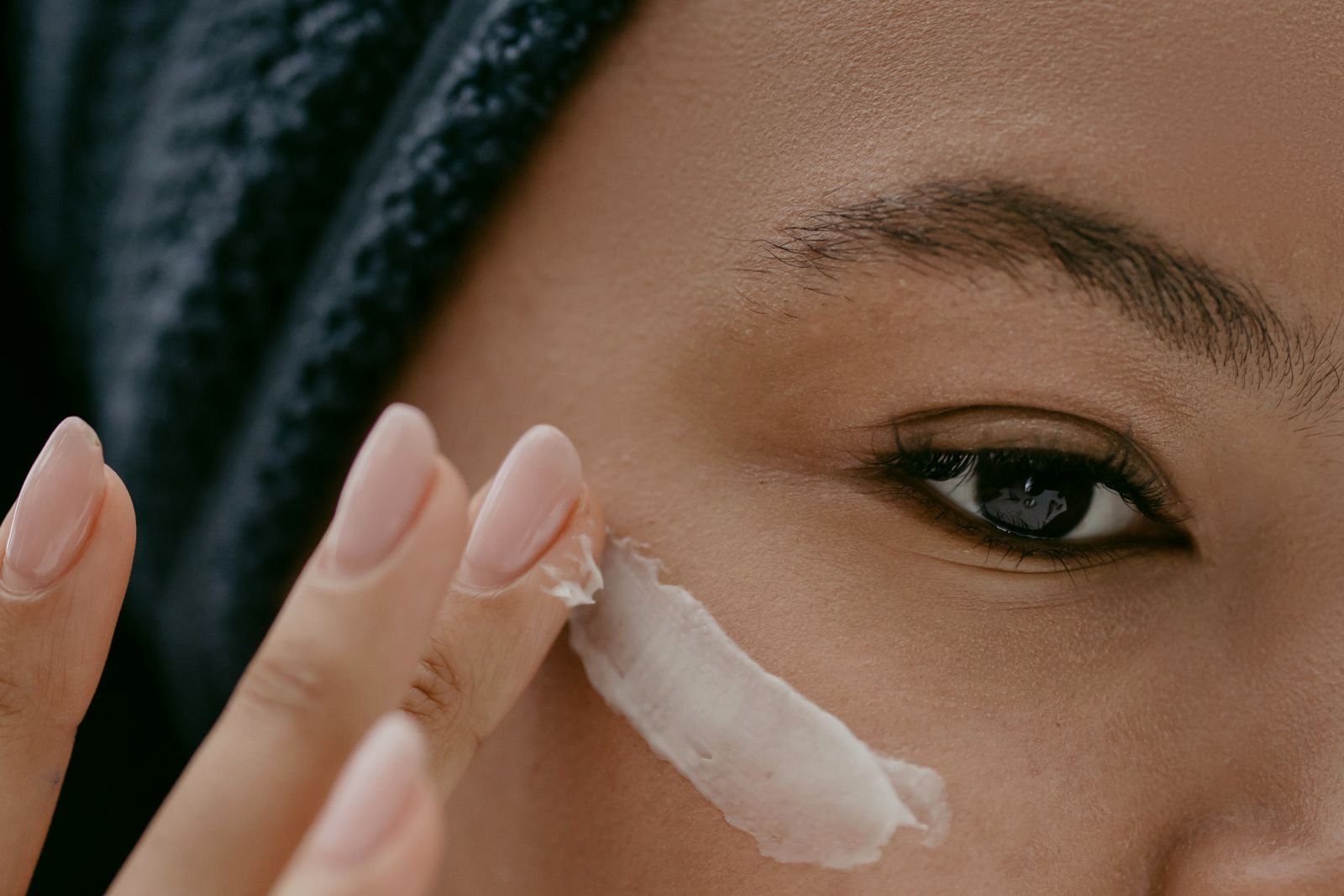
Pressing is better than rubbing for most serums because it places the product on the skin without creating friction. Rubbing can irritate sensitive skin and can leave the product uneven. If your serum feels sticky, you may be using too much, or you may need to wait a little longer before moisturizer.
How Much Serum Should You Use?
A few drops is enough. For most people, 2 to 4 drops will cover the face, and one more drop can cover the neck. Because serums are concentrated, a small amount goes a long way. Using more does not make the serum work faster, and it can leave skin feeling sticky or greasy.
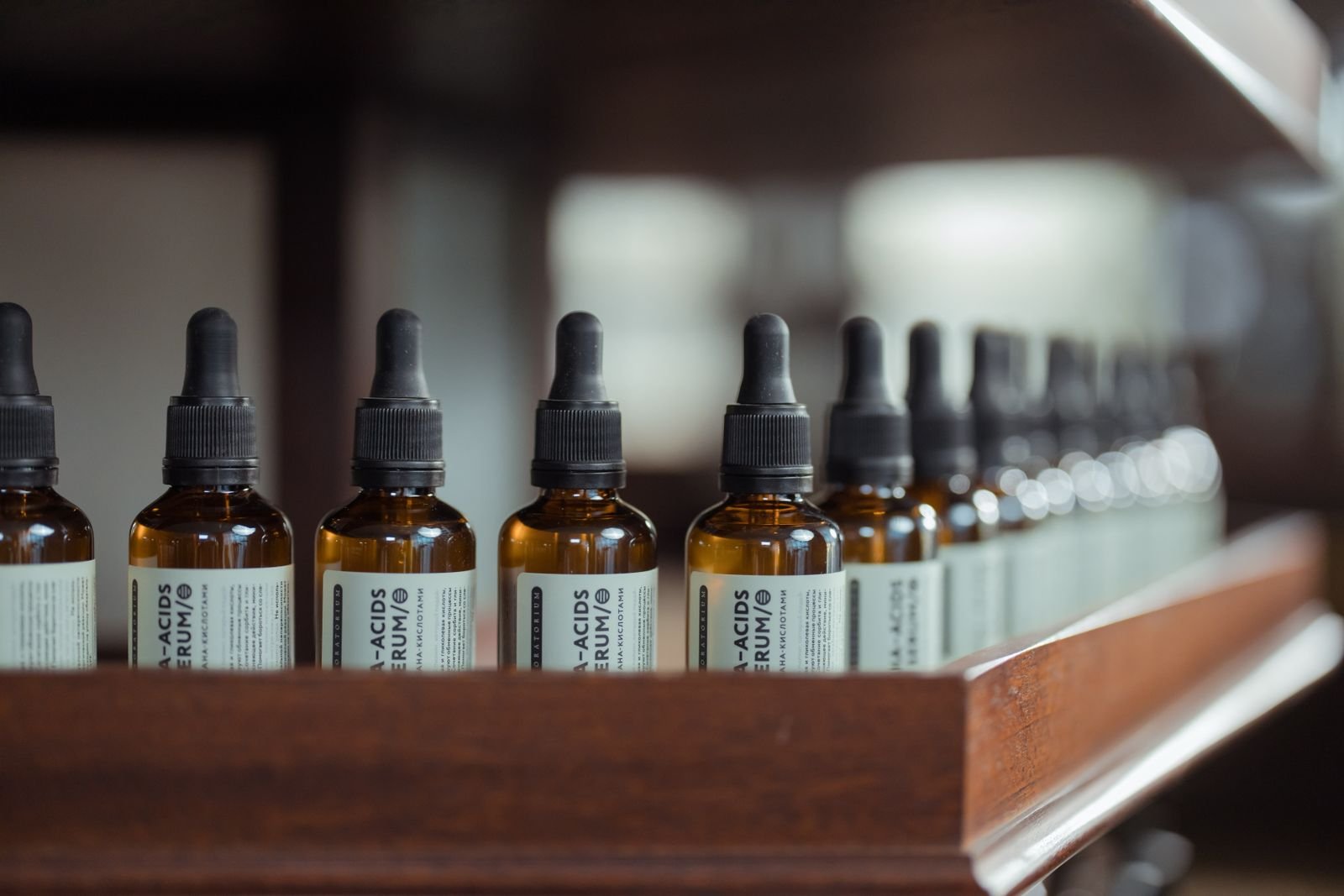
If you want to layer two serums, keep it simple. Apply the thinner, water-based serum first, wait about a minute, and then apply the second one. Avoid layering two strong active products at the same time, especially when you are just starting out.
Common Face Serum Mistakes to Avoid
Small habits can make a big difference. Here are the mistakes people make most often, and what to do instead.
- Applying on dry skin: Serum spreads best on slightly damp skin. Apply it right after cleansing, while skin is still damp.
- Mixing incompatible actives: Some active ingredients do not work well together. Use one active at a time, or use them on different days.
- Skipping moisturizer after serum: Serum alone may not be enough to keep skin feeling comfortable. Moisturizer helps to seal in the serum. Learn how to choose a face moisturizer for your skin type.
- Skipping sunscreen in the morning: If you use serum in the morning, finish with sunscreen to help protect your skin during the day.
- Using too much: More serum is not better. A thick layer can pill under moisturizer or makeup and waste product. Start with 2 to 4 drops.
It also helps to be patient. Skin changes slowly, and a new serum may take a few weeks of regular use before you notice how it looks and feels. If a product causes redness or discomfort that does not settle, stop using it and give your skin a break.
Conclusion
Learning how to apply face serum does not need to be complicated. Cleanse first, apply 2 to 4 drops to slightly damp skin, warm the serum between your palms, and press it gently onto your face and neck. Wait about a minute, then seal it in with moisturizer, and add sunscreen in the morning.
At RoseLuxe, we share simple, practical skincare guides to help you build a routine that fits your life. Explore more in our Face Care collection, and learn more about the site on our About Us page.
This article shares general beauty information only and is not medical advice. If you have a persistent skin problem, see a dermatologist.