
 admin
If your hair feels drier, rougher, and harder to manage once the temperature drops, you are not alone. These winter hair care tips will help you keep your hair soft, smooth, and less likely to break through the coldest months. Cold, dry air outside pulls moisture away, while heated air inside does the same thing. Add hats, scarves, static, and extra heat styling for holiday events, and even healthy hair can start to feel dull and fragile.
The good news is that you do not need a complicated routine or expensive products. Small, steady changes — washing a little less often, using lukewarm water, conditioning every time, and protecting your ends — can help your hair feel more comfortable all winter. For more ideas, browse our Hair Care collection.
Why Winter Dries Out Your Hair
Healthy-looking hair depends on moisture, and winter takes moisture away in several ways at once. Cold air outside holds very little water, so it can leave each strand feeling rough and dry. When you come inside, central heating and space heaters warm the air but dry it out further. That constant change can make hair feel brittle, especially at the ends, which are the oldest and most delicate part of each strand.
Hot showers can make the problem worse. Very hot water can strip away the natural oils that help hair stay smooth, leaving it tangled and more likely to snap when you brush it. Hat friction is another common issue. Wool and rough fabrics can rub against hair, create static, and cause tangles around the hairline and the nape of the neck. Over time, that friction can lead to frizz, flyaways, and broken hairs.
Winter Hair Care Tips for Everyday Washing
Washing is where a good winter routine starts. Many people find that washing every day in winter leaves hair feeling stripped and dry. If your hair and scalp allow it, try washing every two or three days instead. On days between washes, a loose braid or a low bun can keep hair tidy without extra heat. If your scalp feels oily, focus shampoo mainly on the roots, where oil builds up, rather than scrubbing the lengths and ends.
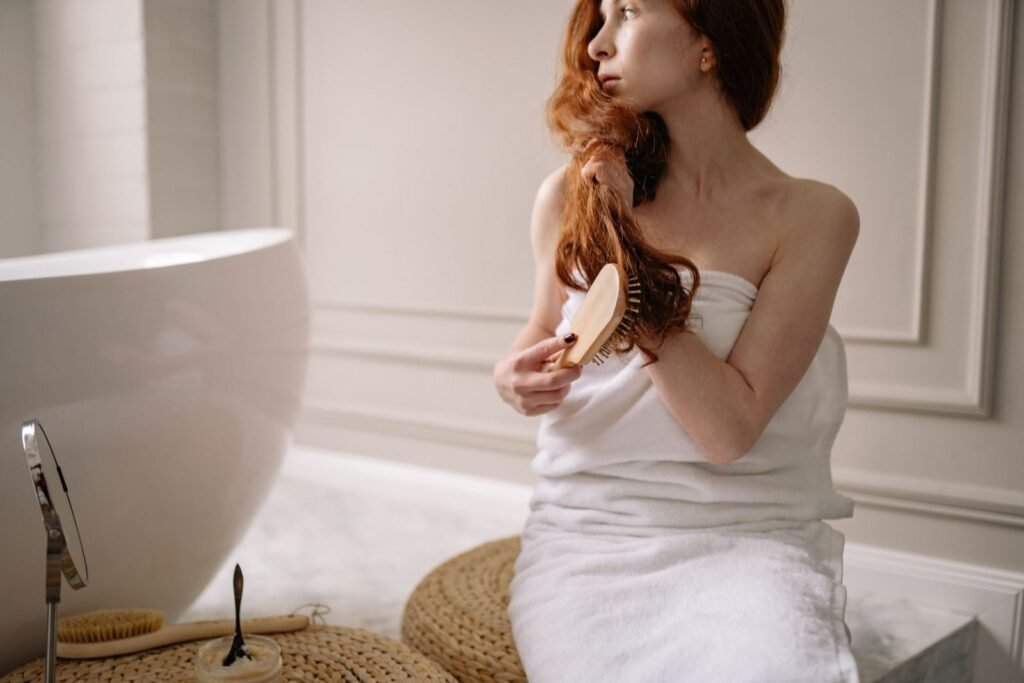
Use lukewarm water rather than very hot water, and choose a gentle, moisturizing shampoo. Use conditioner every time you wash, even if you are in a hurry. Apply it mainly from the mid-lengths to the ends, leave it on for a minute or two, and rinse well. That simple step helps smooth the hair, reduces tangles, and makes brushing easier.
- Wash less often when you can, and shampoo the scalp rather than the ends.
- Choose lukewarm water and a gentle shampoo.
- Use conditioner after every wash, focusing on the mid-lengths and ends.
- Detangle gently with a wide-tooth comb, starting at the ends.
Deep Conditioning and Leave-In Care
In winter, a regular conditioner may not feel like enough on its own. A weekly deep conditioning mask can give your hair an extra layer of moisture and help it feel softer and smoother. After washing, apply the mask to damp hair, focusing on the ends, and leave it on for five to ten minutes before rinsing.
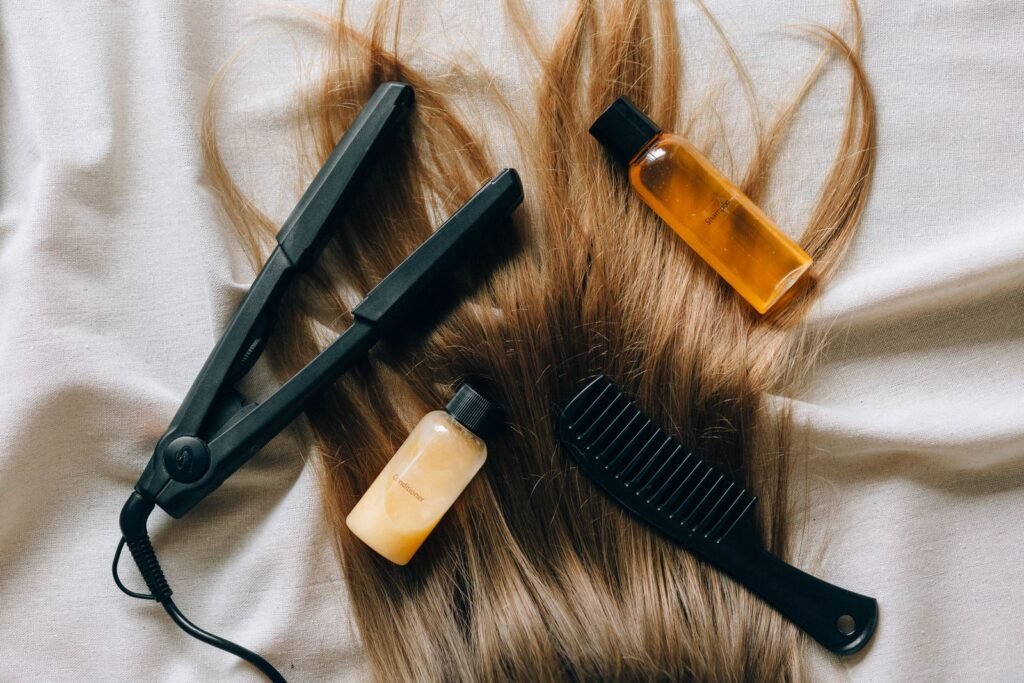
A leave-in conditioner is another useful winter step, especially for dry or curly hair. Apply a small amount to damp hair after washing, mainly through the lengths and ends. It can help with detangling, reduce frizz, and add a light layer of protection before you go outside. A few drops of hair oil on the ends can also help seal in moisture. Start with one or two drops warmed between your palms, so your hair does not look weighed down. For more ideas, see our guide to hair conditioning tips.
Protecting Hair from Cold, Hats, and Static
Protection is one of the most overlooked parts of winter hair care. When you go outside in very cold or windy weather, try to keep your hair tucked inside a coat or scarf, or wear it in a loose braid or low bun. That keeps the ends from blowing around, tangling, and rubbing against rough coat collars. A loose style is better than a very tight one, because tight styles can pull at the hairline.
Hats keep you warm, but they can also cause friction and static. If you wear a hat often, look for one with a silk or satin lining, or wear a silk or satin scarf underneath a wool hat. Smooth fabrics create less friction than rough wool, so they are kinder to your hair and can help reduce hat hair and flyaways. When you take your hat off, smooth your hair gently with your hands rather than brushing it hard.
Static is common in dry winter air. Avoid over-brushing, which can increase static, and try a light leave-in conditioner or a tiny amount of hair oil on the ends. If your hair is very prone to frizz and flyaways, our frizzy hair tips offer more ideas for smoother styling.
Heat Styling and Holiday Hair
Winter is also holiday season in the United States, with parties, family photos, and special outfits that often call for styled hair. Heat tools can help you create those looks, but high heat on already dry winter hair can increase breakage. Whenever you can, let your hair air-dry at least part of the way before you use a dryer, and turn your tools down to a lower or medium setting.
Always use a heat protectant before blow-drying, straightening, or curling. Apply it as directed and let it absorb for a moment before you apply heat. Try to limit heat styling to a few times a week rather than every day, and give your hair heat-free days when you can. On those days, a loose braid, a soft bun, or natural waves can look just as polished.
Conclusion
Winter hair care does not have to be complicated. Wash a little less often with lukewarm water, condition every time, add a weekly deep conditioning mask, and protect your hair from cold, wind, hats, and static. Keep heat styling gentle, always use a heat protectant, and trim split ends before they travel up the strand. With those simple habits, your hair can stay softer, smoother, and easier to manage all winter long. Keep these winter hair care tips in mind all season.
If you would like to learn more about RoseLuxe, visit our About Us page.
This article shares general beauty information only and is not medical advice. If you have a persistent scalp problem, see a dermatologist.