 admin
Learning how to choose a face moisturizer can feel confusing, because shelves are full of creams, gels, and lotions that all promise soft, comfortable skin. The right choice depends less on price or packaging and more on your skin type, the climate where you live, and how your skin feels after you wash it. A good moisturizer helps skin hold onto water, supports its natural barrier, and leaves your face feeling comfortable, not greasy or tight. In this guide, you will learn how to choose a face moisturizer for your skin type, what the main formula types do, and how to test a new product without wasting money.
Why Moisturizer Matters
Healthy-looking skin needs water, and moisturizer helps keep that water in. After cleansing, skin can lose moisture quickly, especially in dry indoor air or cold weather. A moisturizer forms a light layer on the surface that slows that loss and helps skin feel softer and smoother. It can also make makeup and sunscreen sit more evenly, and it can calm the tight feeling that sometimes follows washing. You do not need the most expensive product to get these benefits. A simple, well-chosen moisturizer used every day often works better than a costly cream used only now and then. The key is finding a formula your skin likes and using it regularly, morning and night.
Know Your Skin Type First
Before you shop, take a moment to notice how your skin behaves. Wash your face with a gentle cleanser, wait about an hour without applying anything, and see how it feels. This simple check can tell you a lot about what kind of moisturizer to look for.
Dry Skin
Dry skin often feels tight, rough, or flaky, especially in winter. It may look dull and can feel uncomfortable after washing. Rich creams and balms usually suit dry skin best, because they provide more lasting moisture and a protective layer.
Oily Skin
Oily skin often looks shiny, especially on the forehead, nose, and chin, and pores may look larger. Oily skin still needs moisture, but a light gel or oil-free lotion is usually a better match than a heavy cream. A light formula can hydrate without adding a greasy feeling.
Combination Skin
Combination skin is oily in some areas, often the T-zone, and normal or dry in others, such as the cheeks. A light lotion often works well all over, and you can use a richer cream only on the drier areas if needed.
Sensitive Skin
Sensitive skin may sting, turn red, or react to fragranced products. If your skin is sensitive, look for fragrance-free formulas with a short ingredient list, and introduce one new product at a time so you can spot what suits you.
Types of Face Moisturizer
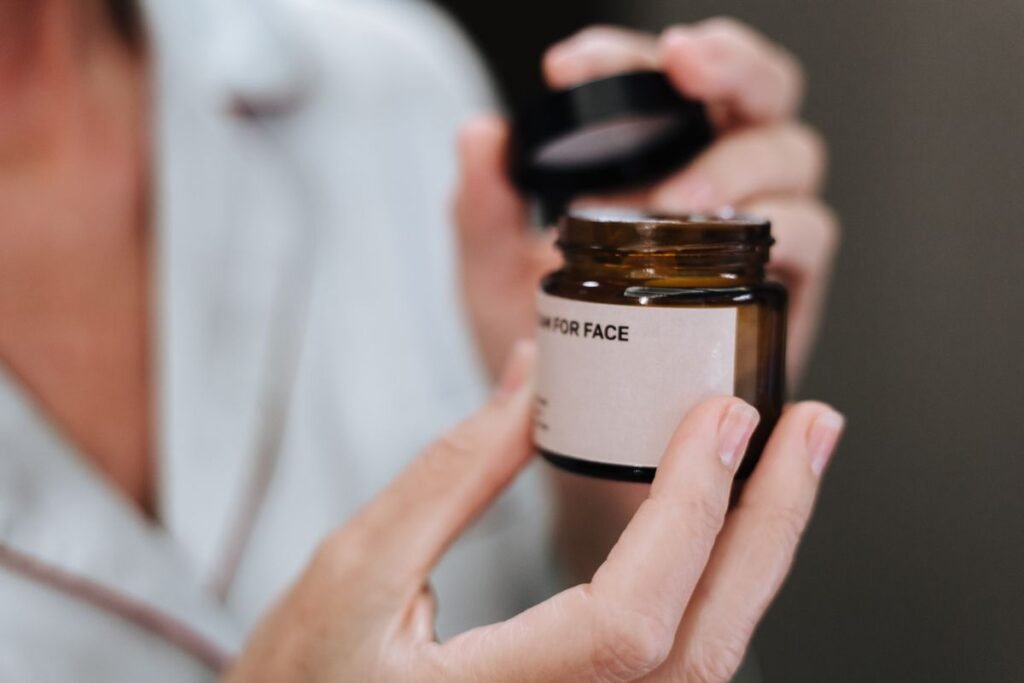
Moisturizers come in several textures, and texture often matters more than brand. Gels are light and water-based, and they absorb quickly, which suits oily skin and warm weather. Lotions are slightly richer than gels but still light, and they work well for normal and combination skin. Creams are thicker and more nourishing, and they suit dry skin and colder months. Balms and ointments are the richest of all, and they can help very dry or rough patches, though they may feel heavy for daily use on the whole face.
How to Choose a Face Moisturizer Step by Step
- Match the texture to your skin type: gel for oily skin, lotion for normal or combination skin, cream for dry skin.
- Look for fragrance-free options if your skin is sensitive or easily irritated.
- Check the label for ingredients that help skin hold moisture, such as glycerin or hyaluronic acid, and for simple, gentle formulas.
- Think about your climate and season. A light gel may suit a humid summer, while a richer cream may feel better in dry winter air.
- Consider your routine. If you wear makeup or sunscreen, choose a moisturizer that layers well under them without pilling.
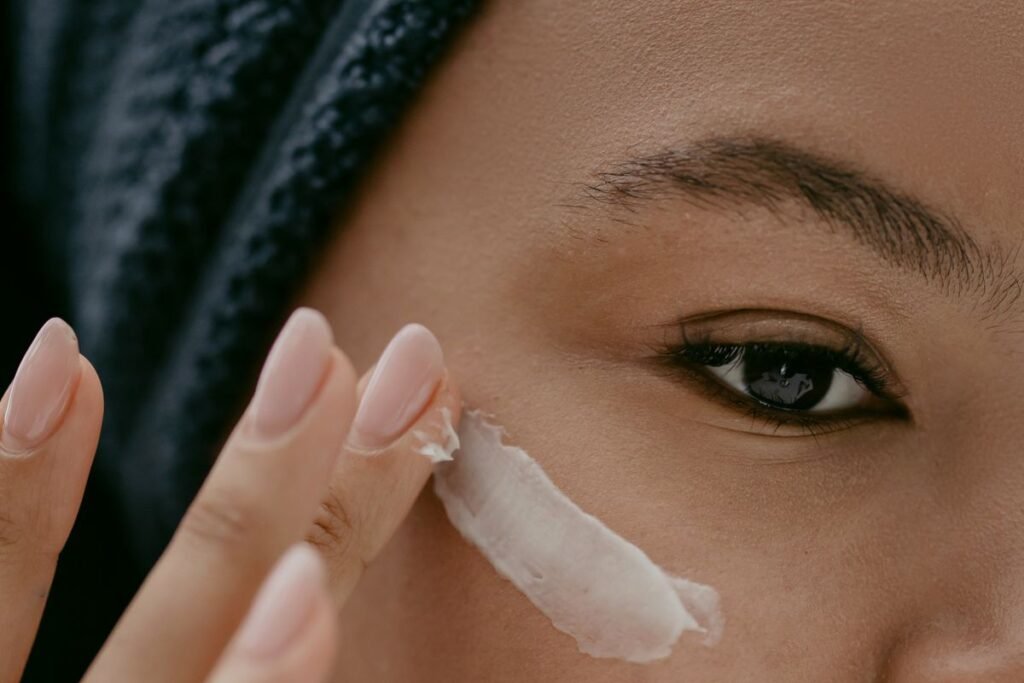
- Test before you commit. Apply a small amount to your jawline or behind your ear for a few days and watch for redness or breakouts.
For a full routine, pair your moisturizer with gentle cleansing: see our guide on how to cleanse your face and our guide to daily sunscreen for face.
How to Apply Moisturizer
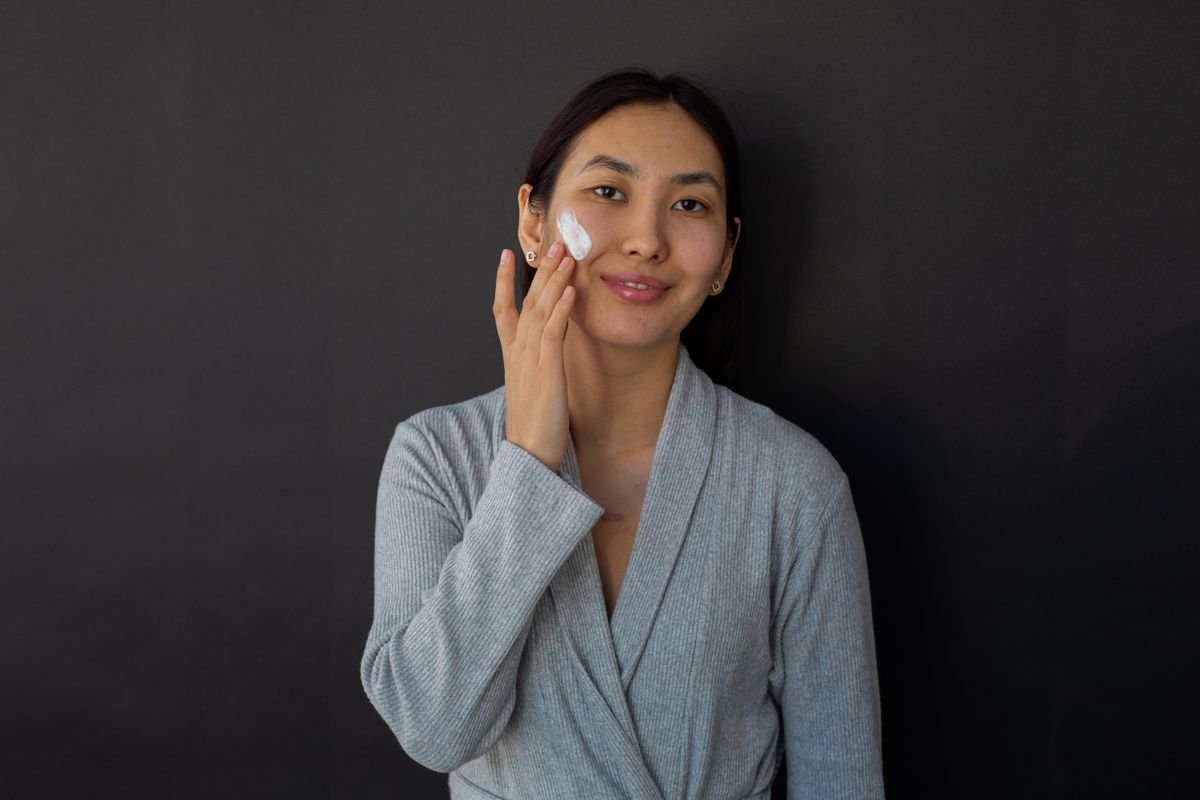
Apply moisturizer to clean, slightly damp skin, usually after cleansing and before sunscreen in the morning. Use a pea-sized amount for your face, warm it between your fingertips, and press or smooth it gently over your forehead, cheeks, nose, and chin. Do not forget your neck, which is often missed. Give the product a minute or two to settle before applying sunscreen or makeup. At night, you can use the same moisturizer, or a slightly richer one if your skin feels dry. A small amount goes a long way, and using too much can leave a sticky film. If your skin still feels dry after a few minutes, add a little more rather than starting with a large amount.
Common Mistakes to Avoid
One common mistake is skipping moisturizer because your skin is oily. Oily skin still loses water, and skipping moisture can leave it feeling tight and looking shiny. Another mistake is choosing a product based only on its scent or packaging. Fragrance can irritate sensitive skin, and a pretty jar does not guarantee a good formula. Using too much product is another issue: a thick layer does not hydrate better, it just sits on the surface. Changing moisturizers every few days is also unhelpful. Give a new product at least a week or two, unless it causes clear irritation, so you can judge it fairly. Finally, remember that moisturizer is not a substitute for sunscreen. In the morning, moisturizer goes on first, and sunscreen goes on top.
Conclusion
To choose a face moisturizer well, start with your skin type, pick a texture that matches it, and test the product before you commit. A light gel, a balanced lotion, or a rich cream can all work well when they suit your skin and your climate. Keep the routine simple, use the product every day, and adjust with the seasons. For more help building a simple routine, explore our Face Care guides and read About Us to learn more about RoseLuxe.
This content is general beauty information only, not medical advice. For persistent skin problems, please see a dermatologist. Read our disclaimer.